
Dental Bridges in Tigard, OR: Restoring Function After Tooth Loss
Missing a tooth creates challenges that extend well beyondthe visible gap. Chewing efficiency decreases, neighboring teeth begin shiftingout of alignment, and the jawbone beneath the empty space can start losingdensity over time. For patients in Tigard looking for a reliable, non-surgicalway to replace one or more missing teeth, dental bridges offer a time-testedsolution that restores both form and function within just a few appointments.
Understanding how bridges work and what to expect from theprocess helps patients feel confident moving forward with treatment.
How a Dental Bridge Replaces Missing Teeth
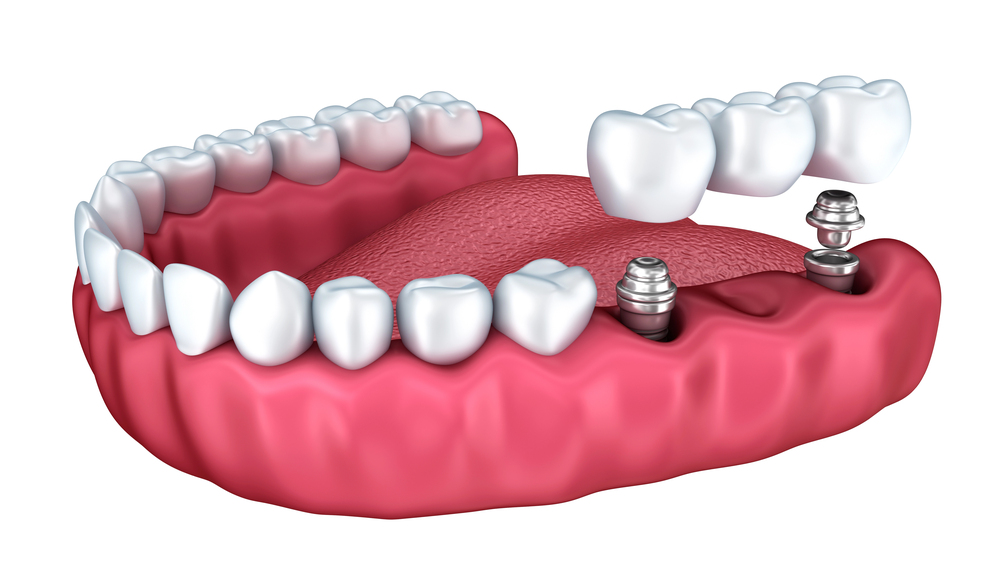
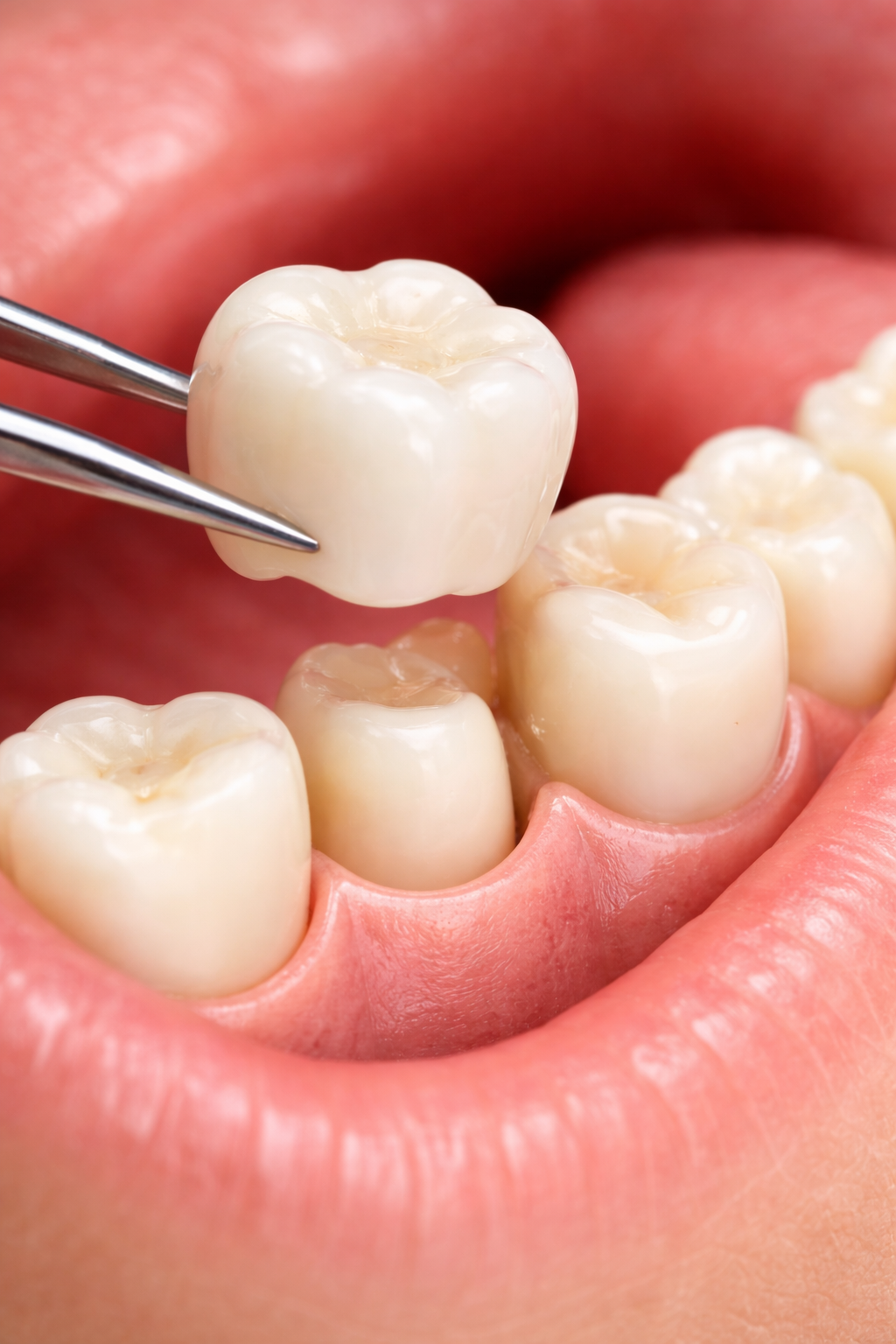
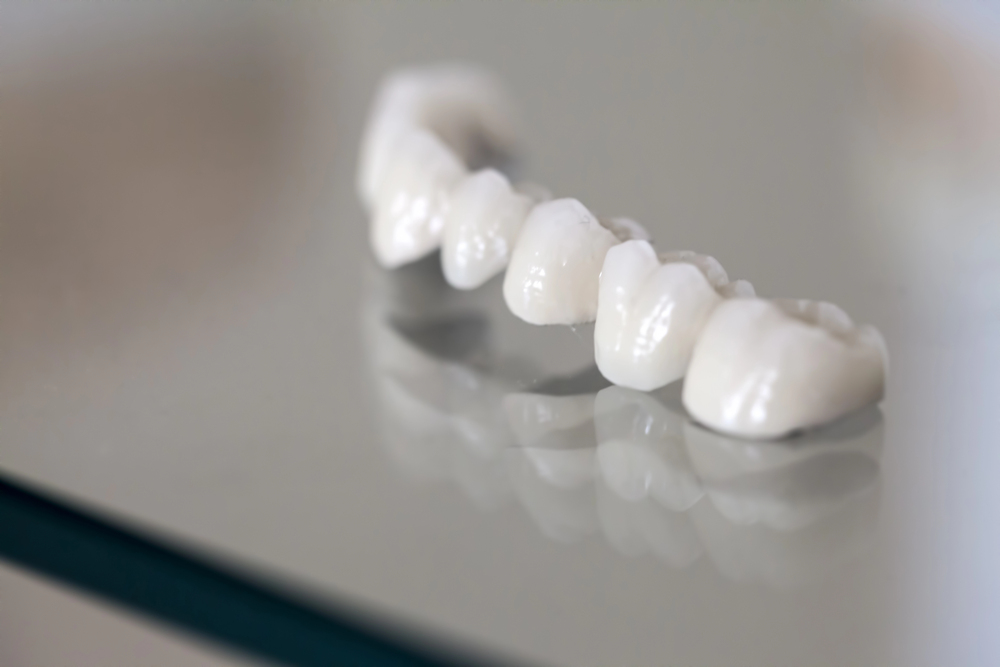
A dental bridge consists of one or more artificial teeth,called pontics, held in place by crowns attached to the natural teeth on eitherside of the gap. These supporting teeth are called abutments. The crowns fitover the abutments and anchor the pontic securely in position, creating a fixedrestoration that does not need to be removed for cleaning or sleeping.
The pontic is fabricated from porcelain, ceramic, or acombination of materials chosen to match the color and translucency of thesurrounding natural teeth. That matters because a well-made bridge blends in sonaturally that most people cannot distinguish it from the real teeth around it.
Types of Dental Bridges
Traditional Fixed Bridges
Traditional bridges use crowns on both adjacent teeth tosupport the pontic between them. This is the most common design and works wellwhen strong, healthy natural teeth exist on both sides of the gap because thoseteeth provide the foundation needed to handle normal biting and chewing forces.
Cantilever and Resin-Bonded Bridges
A cantilever bridge anchors to an abutment tooth on only oneside of the gap. This option is typically limited to areas with lower chewingpressure, such as the front of the mouth. Resin-bonded bridges, sometimescalled Maryland bridges, use a metal or porcelain framework bonded to the backsurfaces of adjacent teeth without requiring full crown preparation. Thisconservative approach preserves more natural tooth structure, which is why itappeals to patients who want minimal alteration to their healthy teeth.
The Bridge Placement Process
Preparing the Abutment Teeth
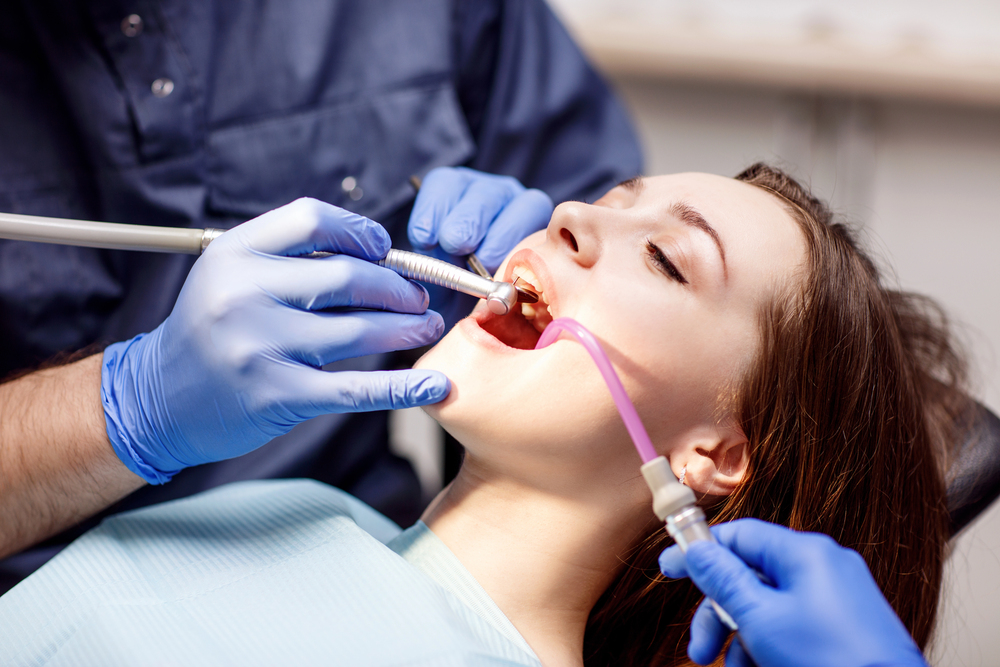
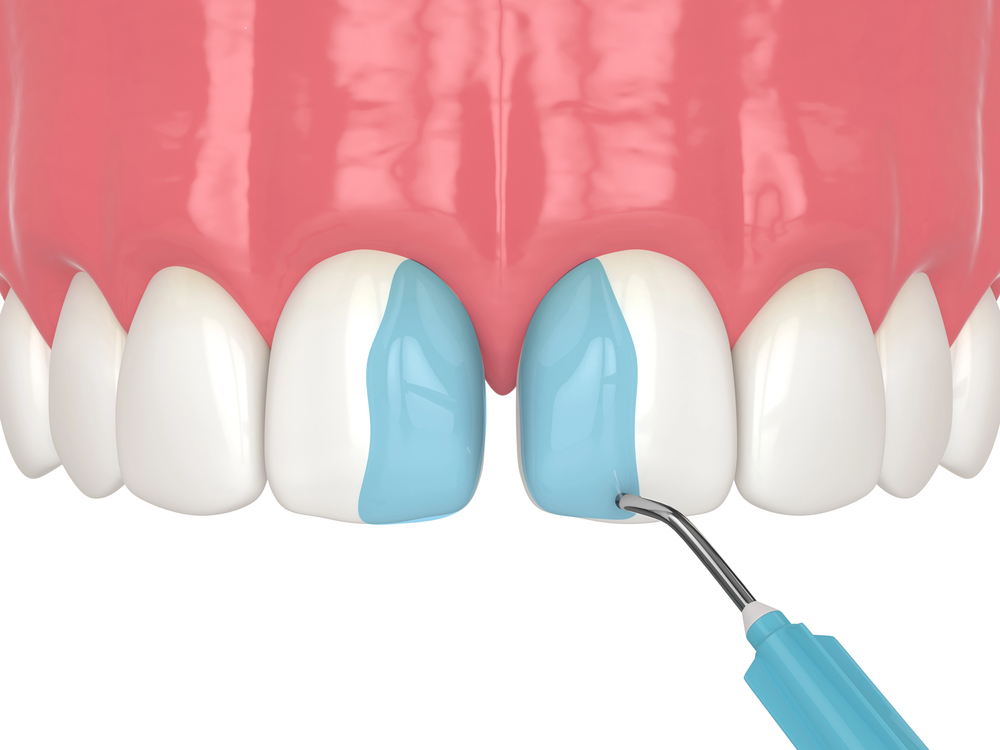
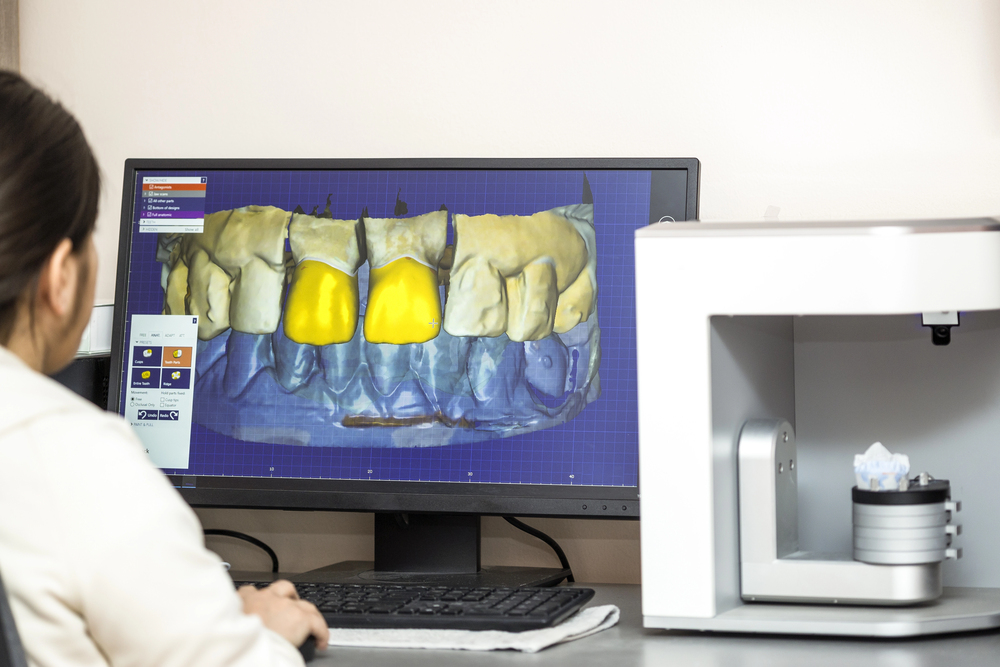
Dr. Kerri Smith, DMD reshapes the abutment teeth by removinga uniform layer of enamel to accommodate the crowns that will support thebridge. Digital scans or impressions capture the exact dimensions of theprepared teeth, the gap, and the bite relationship. These measurements guidethe laboratory fabrication of a bridge engineered for precise fit and naturalappearance.
Temporary and Permanent Placement
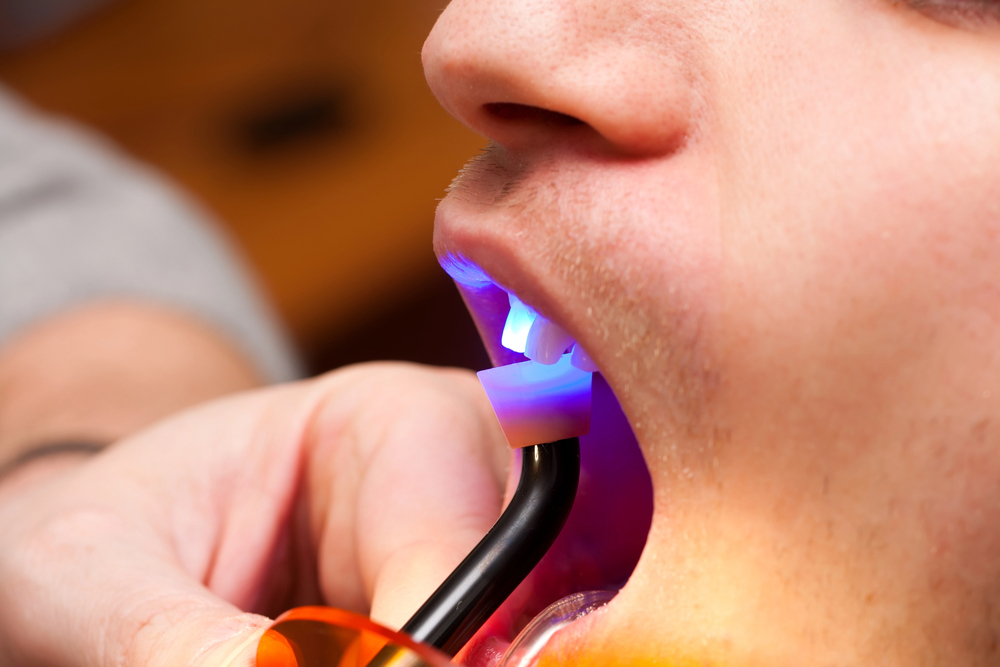
A temporary bridge protects the prepared teeth during theone to two week fabrication period. At the follow-up visit, the temporary isremoved and the permanent bridge is evaluated for fit, shade accuracy, and bitealignment. Final adjustments are made before the bridge is permanently bondedbecause proper seating is critical for long-term comfort, function, anddurability.
Why Replacing a Missing Tooth Matters
When a tooth is lost and not replaced, the adjacent teethgradually drift toward the empty space. This shifting can create new gapselsewhere, alter the bite relationship, and make future dental work morecomplicated. The tooth opposite the gap may also begin to over-erupt because itno longer has a corresponding tooth to bite against, which is why timelyreplacement prevents a cascade of secondary problems.
Bone loss is another concern. The jawbone maintains itsdensity through the stimulation it receives from the roots of teeth duringchewing. When a root is no longer present, the bone in that area begins toresorb. While bridges do not stimulate the bone the way implant posts do, theyrestore the chewing function that helps maintain overall oral health andprevents the compensatory habits that develop when patients avoid chewing onthe affected side.
Caring for a Dental Bridge
Daily Cleaning Routine
Brushing twice daily and flossing around the bridge keepsthe abutment teeth and surrounding gum tissue healthy. A floss threader orspecialized interdental brush helps clean beneath the pontic where food debrisand plaque tend to accumulate. This area requires attention because bacteriatrapped under the bridge can cause decay on the abutment teeth or inflammationof the gum tissue.
Professional Monitoring
Regular dental checkups and cleanings allowthe dental team to inspect the bridge for signs of loosening, wear, or decayaround the crown margins. With diligent home care and professional maintenance,a dental bridge typically lasts 10 to 15 years. Some patients maintain theirbridges for 20 years or longer because they follow a consistent hygiene routineand attend every scheduled appointment.
Dental implants involve surgically placing atitanium post into the jawbone and attaching a crown on top. Implants do notrequire altering adjacent teeth and offer excellent longevity, but the processinvolves surgery and a healing period of several months. Patients who are notcandidates for surgery or who prefer a non-surgical approach often find thatbridges deliver comparable aesthetic and functional results.
Removable partial dentures are a less invasiveand typically less expensive option, but they require daily removal forcleaning and may shift during eating or speaking. Bridges are fixed permanentlyin place, which is why many patients prefer them for the stability andconvenience of a restoration that functions like a natural tooth without anydaily maintenance beyond normal brushing and flossing. The dental teamevaluates each patient's oral health, bone density, and personal preferencesbefore recommending the option that provides the best combination of longevity,function, and value for their specific situation.
Frequently Asked Questions About Dental Bridges
How Many Teeth Can a Bridge Replace?
A traditional bridge can replace one to three consecutivemissing teeth depending on the strength of the abutment teeth and the span ofthe gap. Replacing more than three teeth with a single bridge is uncommonbecause the span becomes too long to maintain structural integrity under normalchewing forces.
Is Getting a Dental Bridge Uncomfortable?
The abutment teeth are numbed during preparation, and mostpatients experience only mild sensitivity for a few days afterward. Thepermanent bridge should feel comfortable once bonded, and the dental team makesbite adjustments during placement to ensure natural function from the start.
How Do I Clean Underneath the Bridge?
A floss threader allows regular floss to pass beneath thepontic so the area can be cleaned daily. Water flossers and interdental brushesare also effective alternatives that many patients find easier to use, which iswhy the dental team demonstrates several cleaning techniques during theplacement appointment.
Will a Dental Bridge Affect How Food Tastes?
A dental bridge does not affect taste perception. The ponticand crowns are made from inert materials that do not interact with taste budsor alter the eating experience in any way.
How Tualatin Valley Dental Can Help
Dr. Kerri Smith, DMD provides bridge consultations andplacements for patients throughout Tigard, helping each person choose therestoration that best fits their needs and lifestyle. Patients can explore additional restorative options at the practiceor visit the Tualatin Valley Dental blog for more oralhealth resources. To schedule an appointment, contact the office at (503)620-6133.
.jpg)






















.jpg)



.jpg)
.jpg)
.jpg)
.jpg)
.jpg)
.jpg)
.jpg)
.jpg)
.jpg)
.jpg)

