
Root Canal Therapy in Tigard, OR: What Patients Need to Know
A persistent toothache that worsens with pressure or temperature changes can signal something deeper than a simple cavity. For patients in Tigard, OR facing this kind of discomfort, root canal therapy is often the most effective way to relieve pain, eliminate infection, and preserve the natural tooth for years to come.
Understanding Root Canal Therapy
Root canal therapy is a procedure designed to treat infection or damage within the innermost layer of a tooth, known as the pulp. The pulp contains nerves, blood vessels, and connective tissue that help a tooth develop during childhood. Once fully mature, a tooth can survive without the pulp because surrounding tissues continue to nourish it.
Why the Pulp Becomes Infected
Infection typically develops when bacteria reach the pulp through deep decay, a crack in the tooth structure, or repeated dental procedures on the same tooth. Trauma can also damage the pulp even when no visible crack exists.
That matters because an untreated pulp infection does not resolve on its own. It can spread to the surrounding bone, forming an abscess that threatens both the tooth and overall health.
Signs That Root Canal Therapy May Be Needed
Not every toothache requires a root canal. However, certain symptoms consistently point to pulp involvement. Recognizing these signs early allows patients to seek treatment before the infection progresses to a more complicated stage.
Common Symptoms of Pulp Damage
Persistent pain that lingers after exposure to hot or cold beverages is one of the most reliable indicators. Spontaneous pain without any trigger, swelling or tenderness in the nearby gum tissue, and darkening of the affected tooth also suggest pulp damage.
Some patients notice a small bump on the gum near the painful tooth, which often indicates an abscess has formed. Any combination of these symptoms warrants a prompt evaluation, because early intervention typically results in a simpler and more predictable treatment outcome.
What Happens During a Root Canal Procedure
The root canal process is more straightforward than many patients expect. Modern techniques and anesthesia have made the experience comparable to receiving a standard dental filling in terms of comfort and chair time.
Diagnosis and Anesthesia
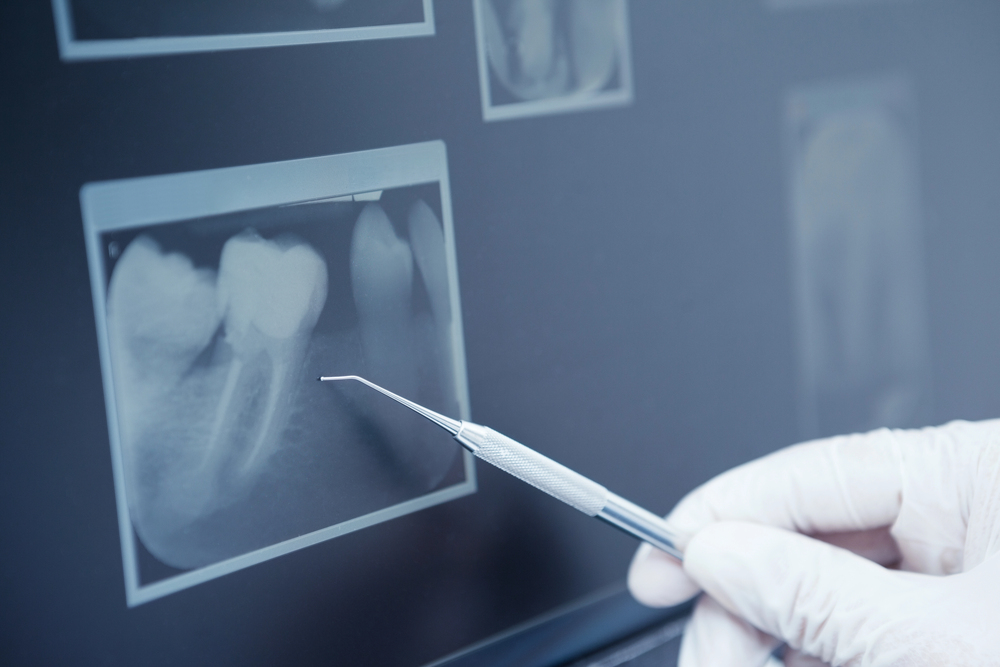
The dentist begins by examining the tooth and taking digital X-rays to assess the extent of the infection and map the root canal system. Local anesthesia is administered to ensure the area is completely numb before treatment begins. For patients who feel anxious about dental procedures, sedation options can provide additional comfort and relaxation throughout the appointment.
Cleaning, Shaping, and Sealing
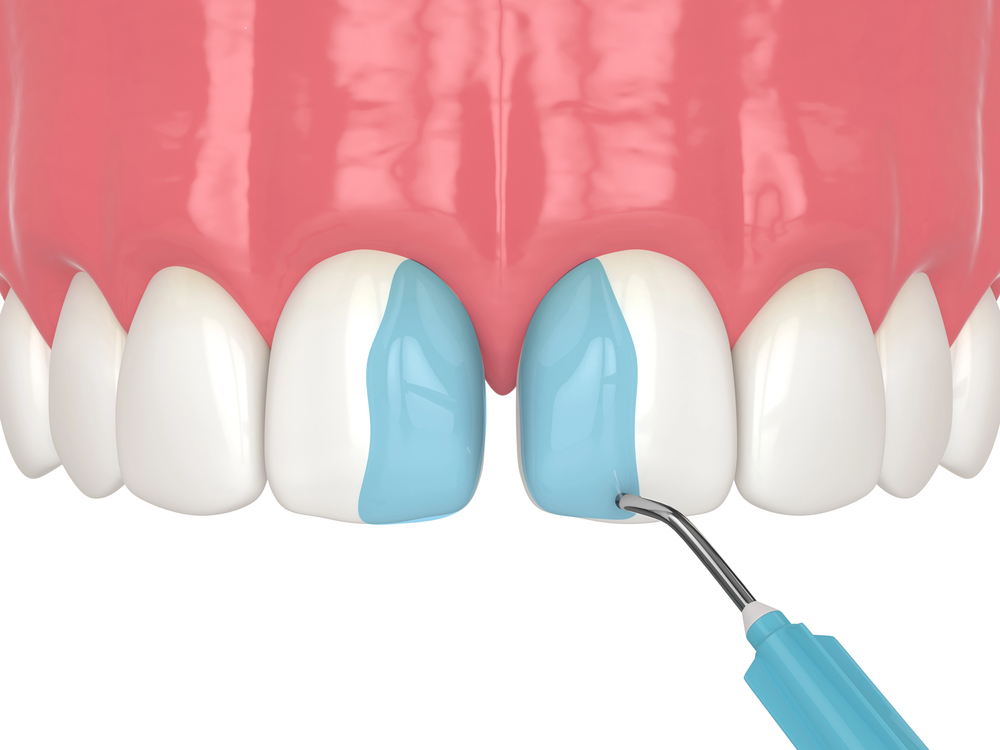
A small opening is made in the crown of the tooth to access the pulp chamber. Using specialized instruments, the dentist carefully removes the infected pulp tissue from the chamber and root canals. Each canal is then cleaned, shaped, and disinfected to eliminate bacteria.
This step is essential because any remaining bacteria can cause reinfection, which is why thorough cleaning is the foundation of a successful root canal. Once the canals are clean and dry, they are filled with a biocompatible material called gutta-percha that seals them against future bacterial entry.
Restoring the Tooth with a Crown
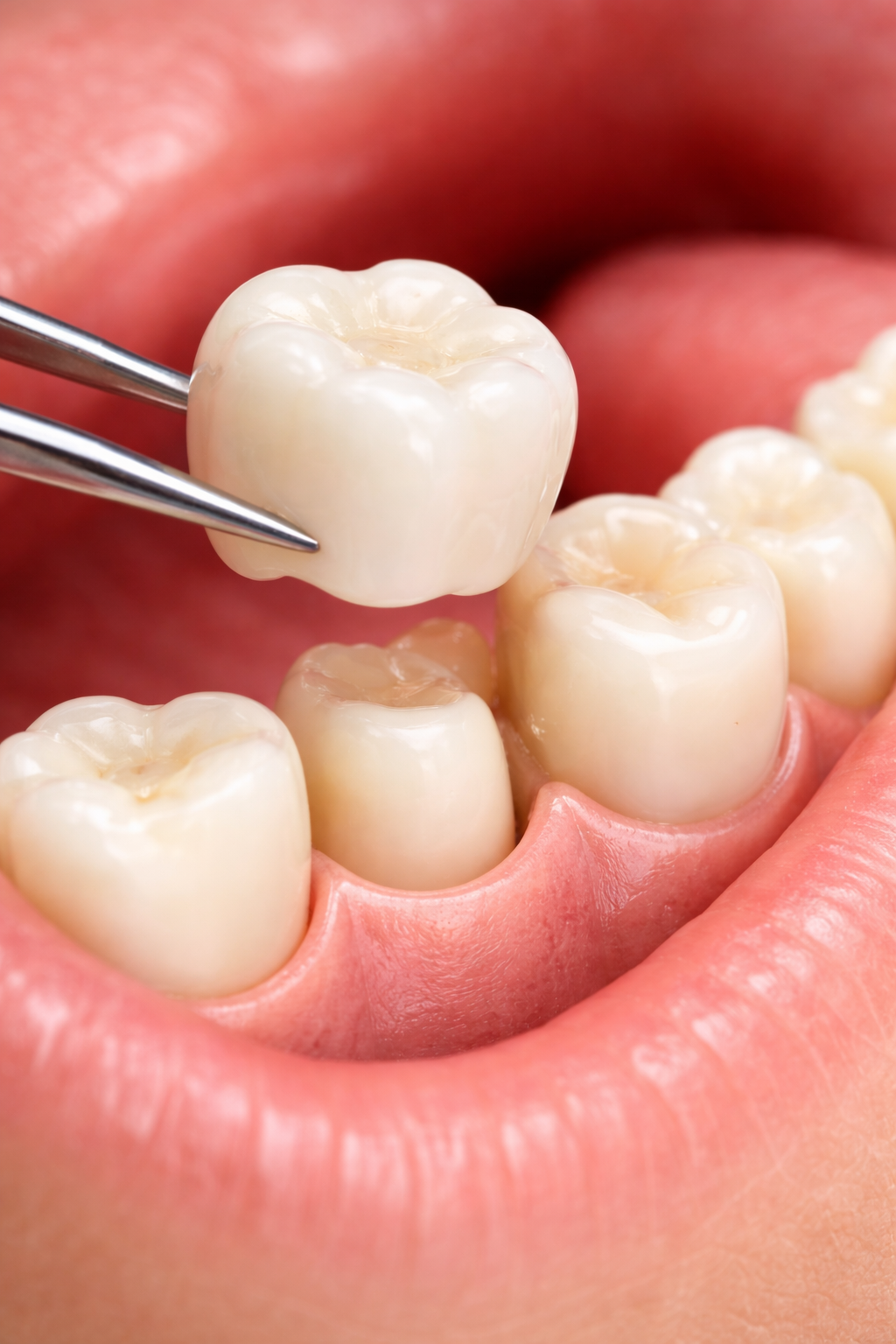
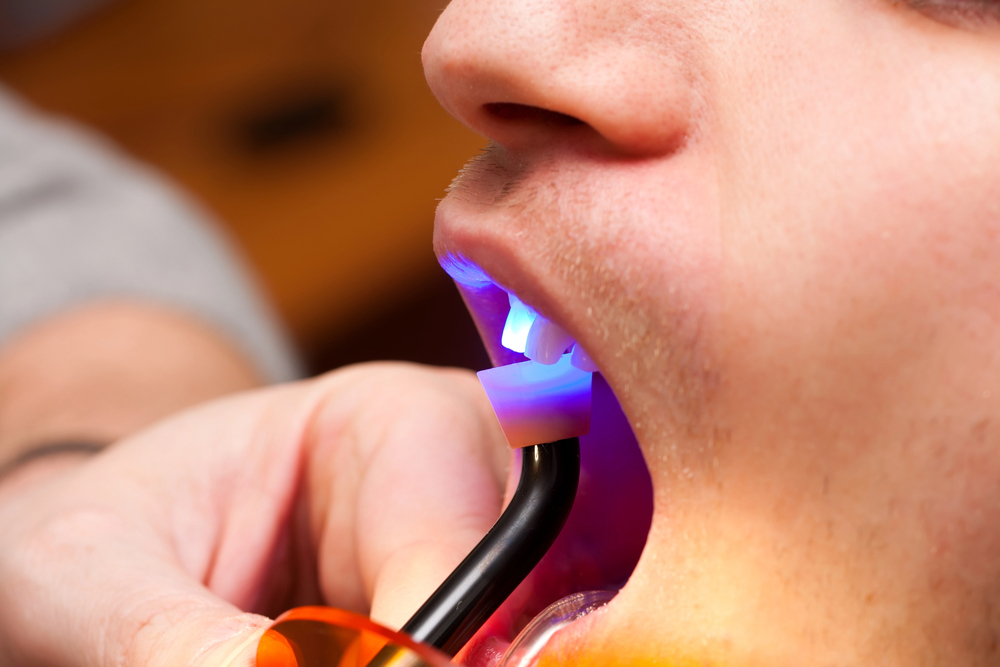
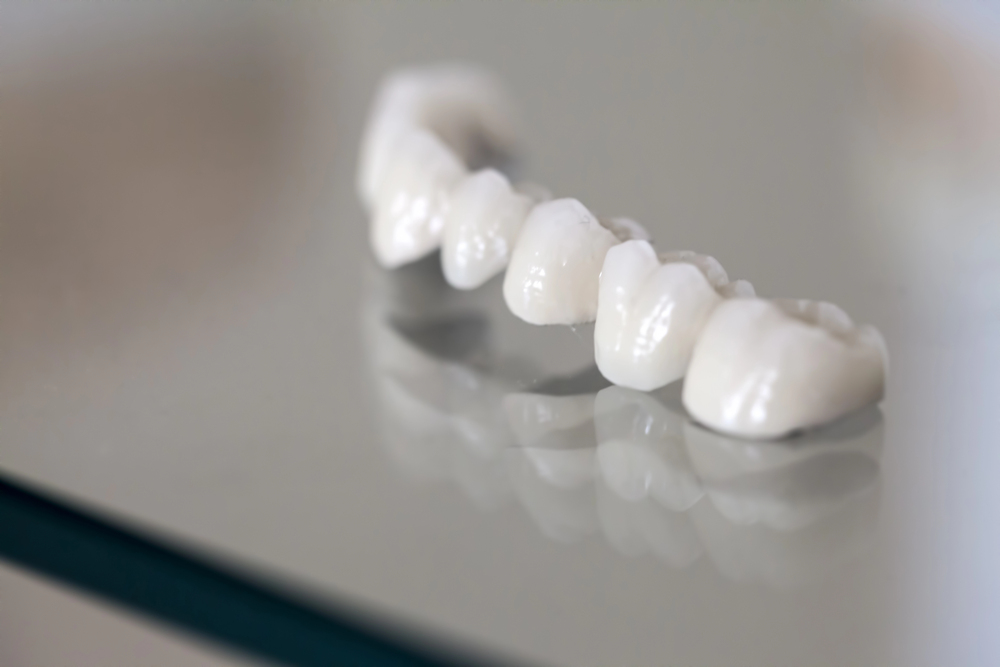
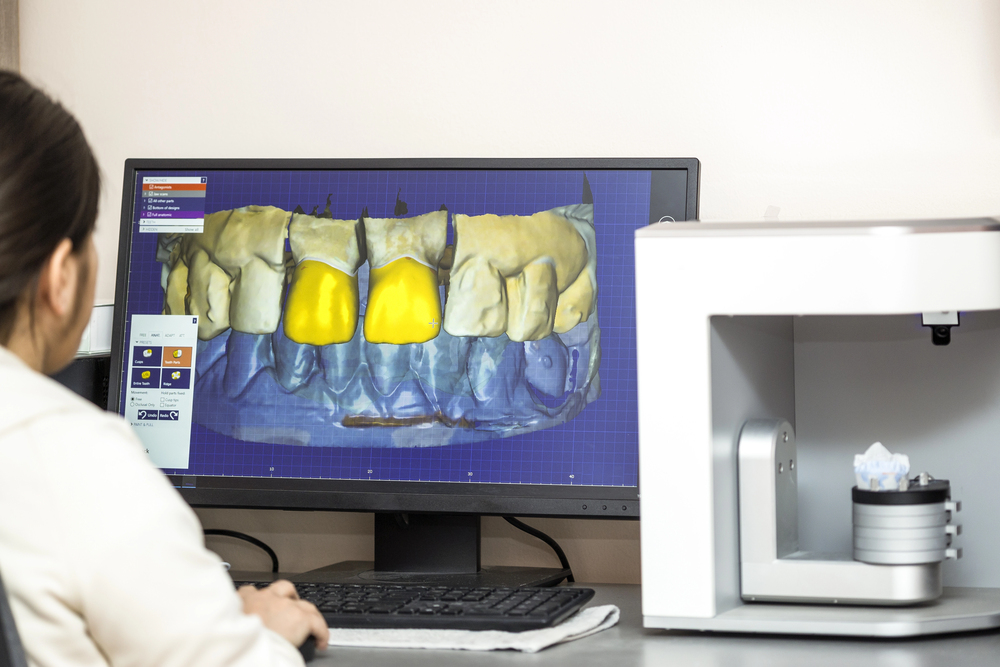
In most cases, a dental crown is recommended after root canal therapy to restore the tooth's strength and protect it from fracture. The crown is color-matched to blend with surrounding teeth, ensuring a natural and seamless result. A follow-up appointment is scheduled to place the permanent crown once the tooth has had time to heal.
Root Canal Therapy vs. Tooth Extraction
When a tooth is severely infected, patients sometimes wonder whether extraction might be the simpler path. While extraction is occasionally necessary, preserving the natural tooth offers meaningful long-term benefits that extend beyond convenience.
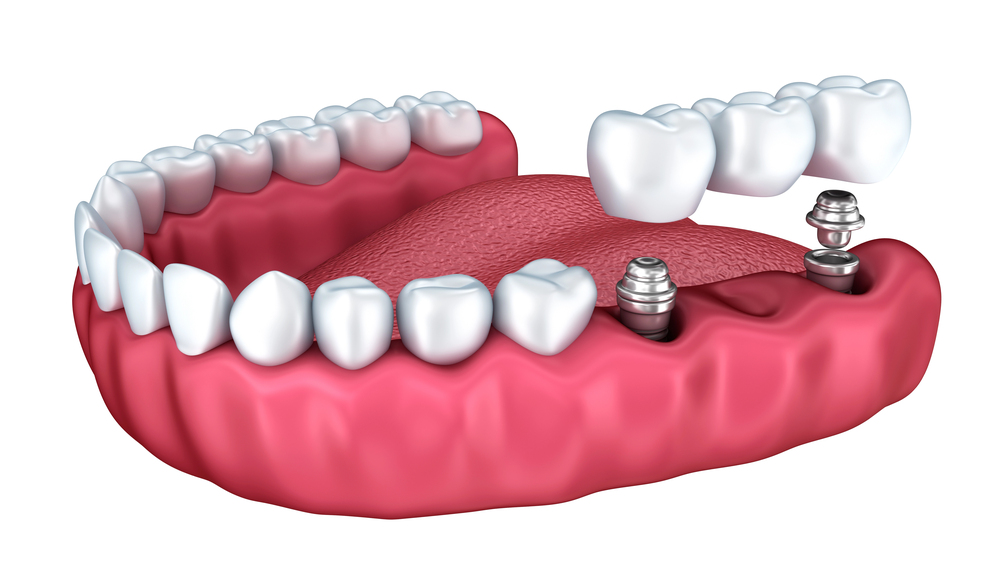
A natural tooth maintains the integrity of the jawbone and keeps neighboring teeth in their proper positions. Removing a tooth creates a gap that can cause adjacent teeth to shift, which is why patients who choose extraction often need a replacement such as a dental implant or dental bridge to prevent further complications.
Root canal therapy eliminates the infection while allowing the tooth to continue functioning normally, often for decades with proper care. In certain situations, however, severe fractures extending below the gum line or extensive bone loss may make extraction the more practical choice.
The dentist evaluates each case individually and recommends the option that best supports long-term oral health.
Recovery, Aftercare, and Prevention
Most patients are pleasantly surprised by how manageable recovery is after root canal therapy. Mild tenderness around the treated tooth is normal for two to three days following the procedure. Over-the-counter pain relievers such as ibuprofen are typically sufficient to manage any discomfort.
Patients can usually return to regular activities the same day. Avoiding hard or chewy foods on the treated side for several days is advisable. That matters because protecting the tooth during the initial healing period allows the permanent restoration to be placed without complications.
Preventing Future Root Canal Infections
While not every root canal situation is preventable, consistent oral hygiene habits and routine dental care significantly reduce the risk of pulp infection developing in other teeth.
Brushing twice daily with fluoride toothpaste, flossing once daily, and limiting sugary foods and beverages form the foundation of effective preventive care. Wearing a mouthguard during sports or physical activities protects teeth from trauma. These habits work together because decay and injury are the two primary pathways through which bacteria reach the pulp.
Routine dental exams and preventive care allow the dentist to detect early signs of decay or damage before they progress to the pulp. Digital X-rays can reveal hidden cavities between teeth or beneath existing restorations, catching problems at a stage when a simple filling can prevent the need for more extensive treatment.
Frequently Asked Questions About Root Canal Therapy
Is a Root Canal Painful?
Modern root canal therapy is performed under local anesthesia, so patients typically feel no pain during the procedure. Many compare the experience to having a filling placed. Post-treatment soreness is usually mild and resolves within a few days. Sedation options are available for patients who prefer additional comfort.
How Long Does a Root Canal Take?
A root canal on a front tooth generally takes about 45 minutes to an hour. Molars, which have more canals, may require 60 to 90 minutes. Most root canals are completed in a single appointment, though complex cases may occasionally require a second visit.
Can a Treated Tooth Get Infected Again?
Reinfection is uncommon but possible if the seal is compromised or if new decay develops around the restoration. Placing a crown promptly after the root canal and maintaining good oral hygiene are the most effective ways to prevent this. Regular checkups allow the dentist to monitor the treated tooth.
What Happens if a Root Canal Is Not Performed?
Without treatment, a pulp infection continues to spread. The resulting abscess can cause significant pain, swelling, and bone damage around the affected tooth. In rare cases, the infection can enter the bloodstream, which is why timely treatment is important for both oral and overall health.
How Tualatin Valley Dental Can Help
Dr. Kerri Smith, DMD, and the team at Tualatin Valley Dental in Tigard, OR prioritize patient comfort and education throughout every phase of root canal therapy. With advanced diagnostic technology and a gentle approach, the practice helps patients understand their options and feel confident in their care.
To learn more about root canal therapy and other restorative services, patients are welcome to explore the Tualatin Valley Dental blog for additional oral health resources. To schedule an evaluation, visit the contact page or call (971) 626-1270.
.jpg)
























.jpg)





.jpg)
.jpg)

.jpg)
.jpg)
.jpg)
.jpg)
.jpg)
.jpg)
.jpg)
.jpg)

