
Dental Implants in Tigard, OR: A Long-Lasting Solution for Missing Teeth
Losing a tooth can affect far more than appearance alone. It changes the way a person eats, speaks, and feels about showing their smile in everyday conversations. For patients in Tigard, OR exploring reliable replacement options, dental implants offer a permanent, natural-looking solution that restores both function and long-term confidence.
What Are Dental Implants and How Do They Work?
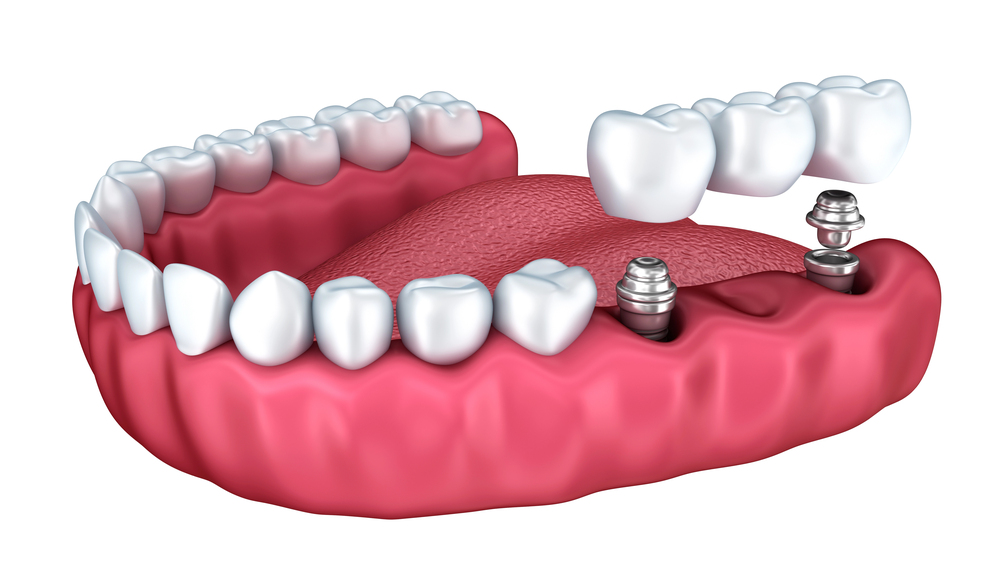
A dental implant is a small titanium post that a dentist surgically places into the jawbone beneath the gum line. This post serves as an artificial tooth root, providing a stable foundation for a custom-made crown, bridge, or denture.
Titanium is used because it is biocompatible, meaning the body accepts it without adverse reaction. That matters because a material the body readily accepts allows the implant to fuse directly with the bone over time, creating a secure and durable anchor for the replacement tooth.
The Three Components of a Dental Implant
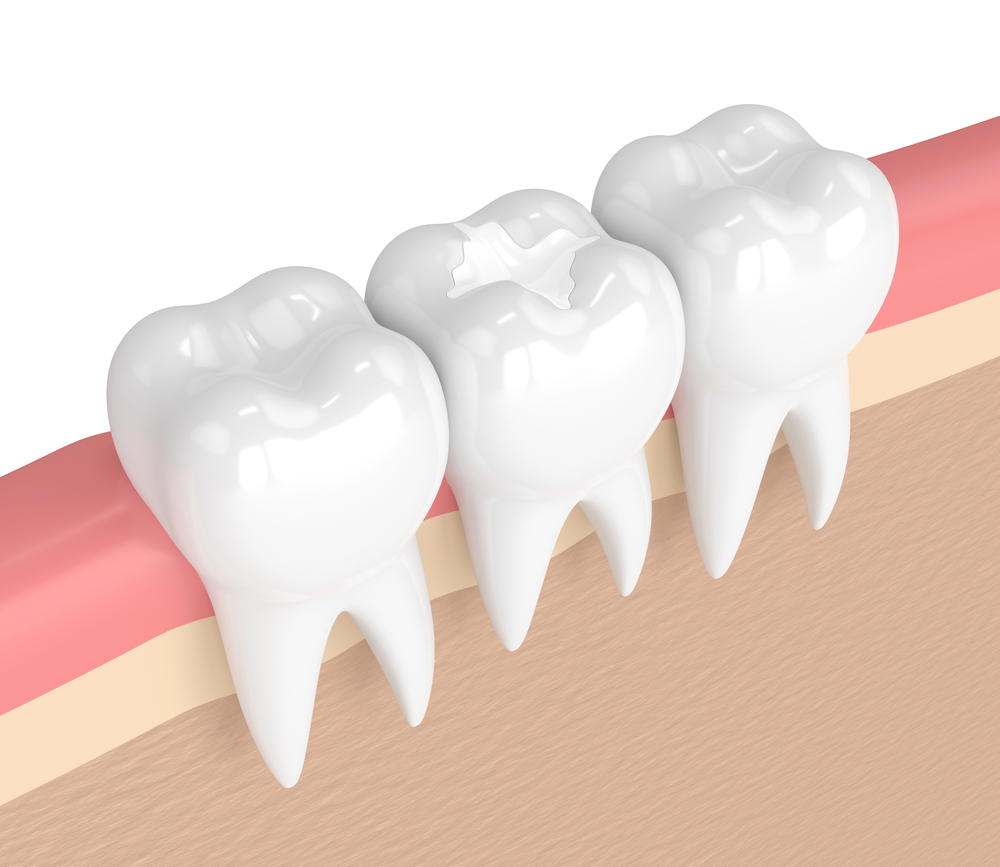
Every dental implant consists of three parts: the post, the abutment, and the restoration. The post is the titanium screw embedded in the jawbone. The abutment connects the post to the visible crown or prosthetic tooth. Each component is precision-crafted, which is why the final result closely mimics the look, feel, and function of a natural tooth.
Why Missing Teeth Require Prompt Attention
Many patients assume a single missing tooth is only a cosmetic issue. However, the consequences extend far beyond appearance. When a tooth is lost, the surrounding bone tissue no longer receives the stimulation it needs to maintain its density. This process, known as bone resorption, can begin within months of tooth loss.
How Bone Loss Affects Surrounding Teeth
Adjacent teeth may gradually shift into the empty space, altering the bite and increasing the risk of further tooth loss. That matters because a misaligned bite can lead to uneven wear, jaw discomfort, and difficulty chewing everyday foods.
Dental implants are the only tooth replacement option that directly addresses bone loss. The titanium post stimulates the jawbone in a way that dental bridges and dentures cannot replicate, because those alternatives rest above the gum line rather than within the bone itself.
Who Is a Good Candidate for Dental Implants?
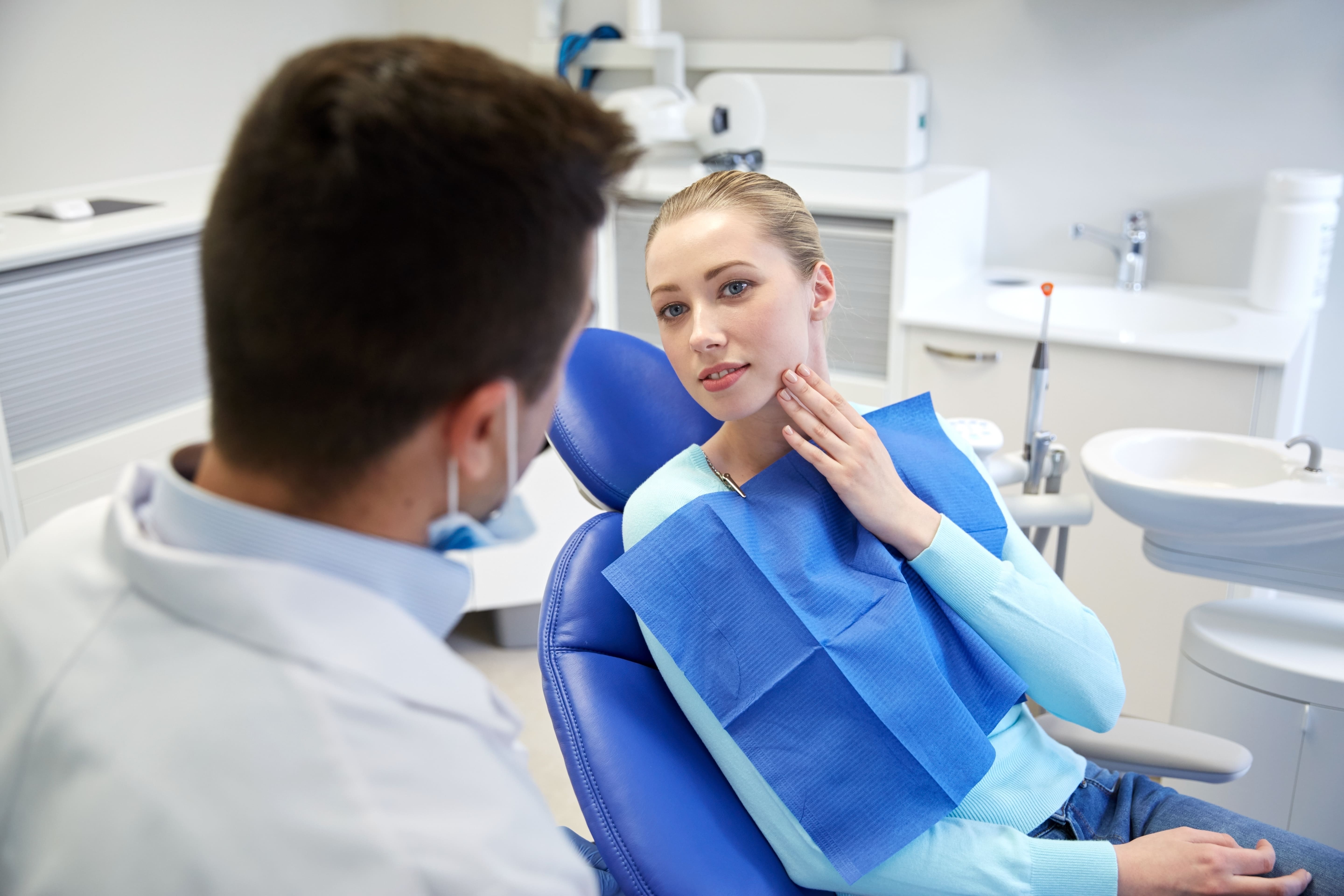
Most adults with adequate jawbone density and healthy gums are strong candidates for dental implants. A thorough evaluation is the first step in determining eligibility. During this assessment, the dentist reviews medical history, takes diagnostic imaging, and examines the condition of the surrounding teeth and gum tissue.
Patients with significant bone loss may need a bone graft to rebuild the jaw before the post can be placed. Uncontrolled diabetes, heavy tobacco use, and active gum disease can also affect healing, which is why addressing these factors beforehand improves the likelihood of a successful outcome.
Once these conditions are managed, many patients who were initially told they were not candidates can still receive implants.
The Dental Implant Process: What to Expect
The implant process typically unfolds over several months, allowing the body adequate time to heal between stages. While the timeline varies by patient, understanding each phase helps set realistic expectations.
Consultation and Treatment Planning
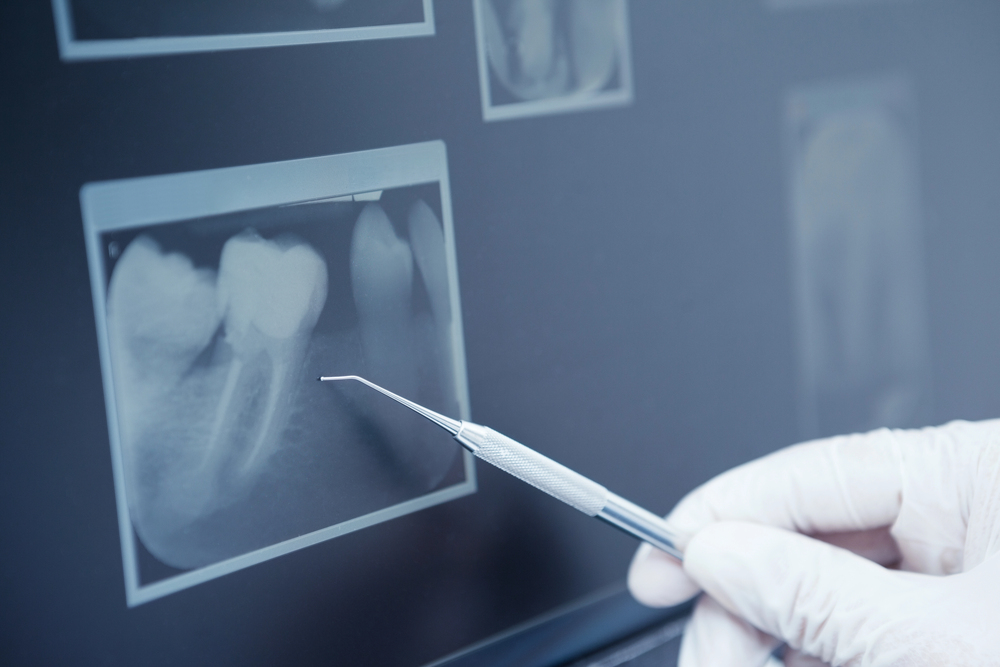
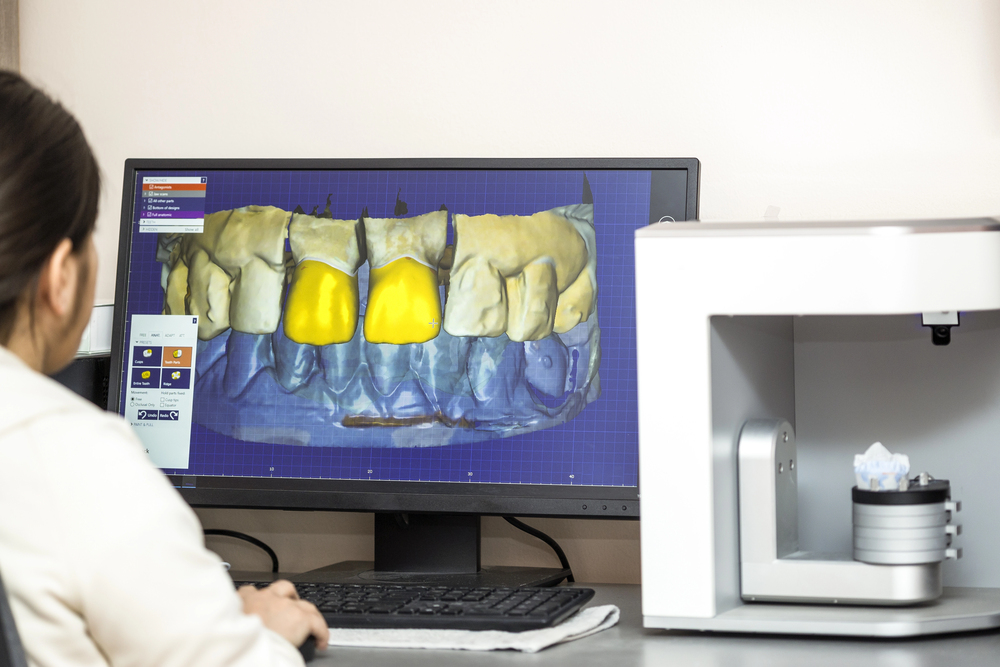
The process begins with a comprehensive consultation. Diagnostic tools such as digital X-rays and 3D imaging allow the dentist to evaluate bone structure and plan precise implant placement. Patients receive a detailed treatment plan outlining the anticipated timeline, costs, and any preparatory procedures that may be necessary.
Implant Placement and Osseointegration
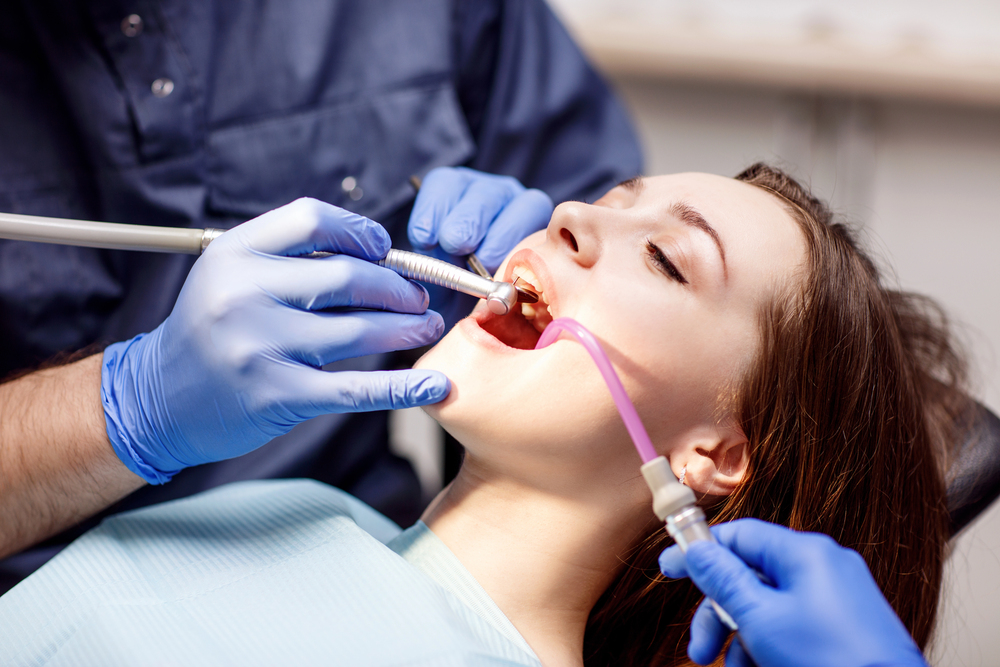
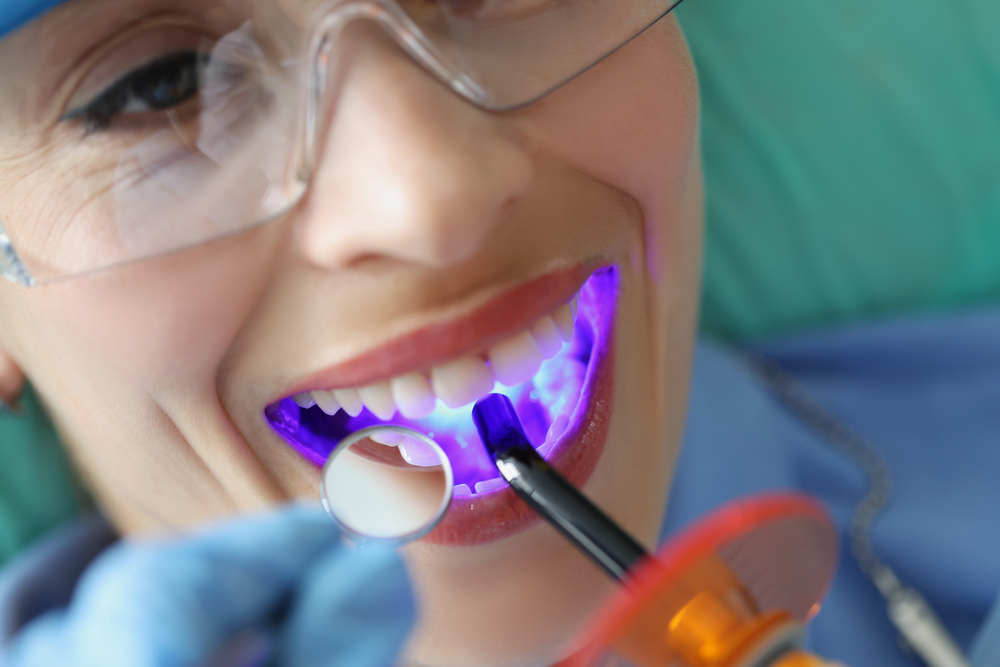
During the surgical phase, the titanium post is placed into the jawbone under local anesthesia. Sedation options are also available for patients who experience anxiety during dental procedures.
After placement, a healing period of three to six months allows the implant to fuse with the bone in a process called osseointegration. This step is critical because a fully integrated post provides the stability needed to support a permanent restoration that can handle daily chewing forces.
Final Crown Placement
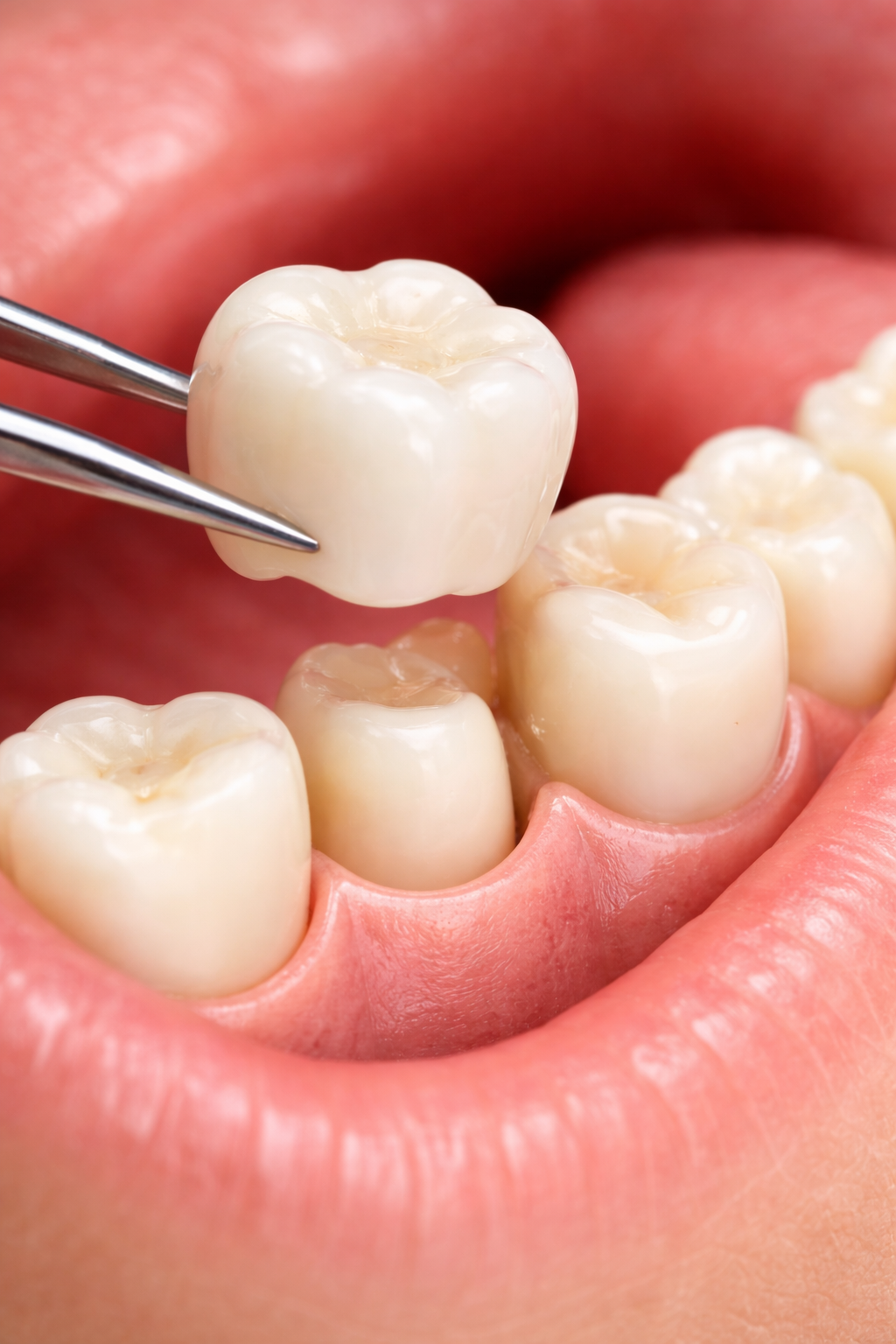
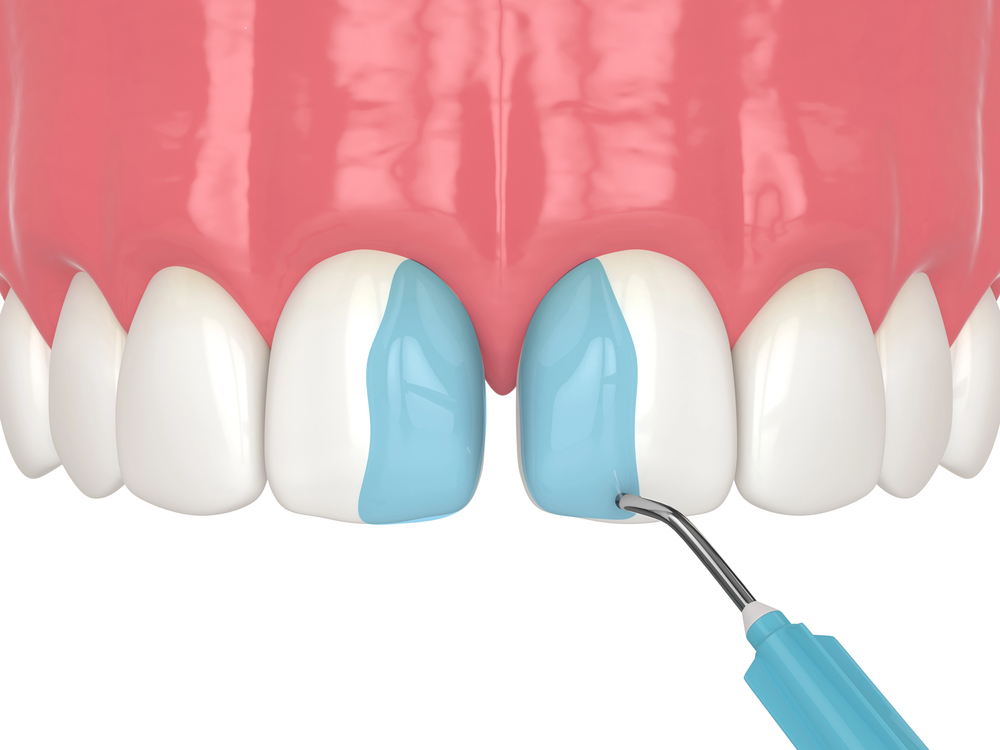
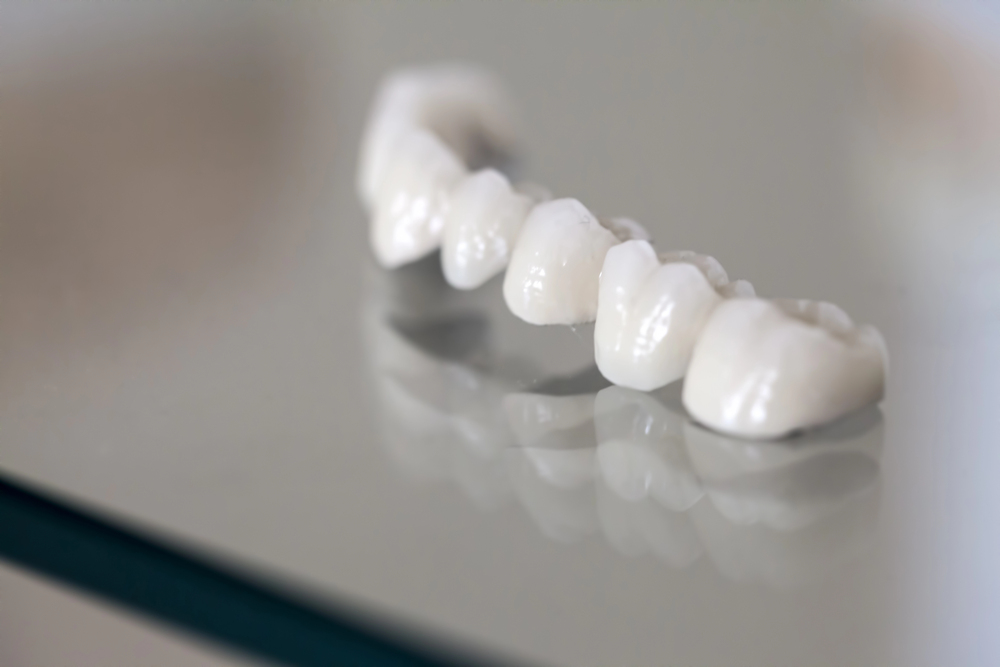
Once osseointegration is complete, the abutment is attached and a custom crown is fabricated to match the color, shape, and size of the surrounding teeth. The result is a restoration that looks and functions like a natural tooth. Many patients report that they forget which tooth is the implant after the crown is placed.
Dental Implants Compared to Bridges and Dentures
Patients exploring tooth replacement often weigh implants against bridges and dentures. Each option has merits, but implants offer distinct advantages in terms of longevity, bone preservation, and daily function.
A dental bridge relies on adjacent teeth for support, which requires those teeth to be reshaped to accommodate crowns. An implant stands independently without affecting neighboring teeth. That matters because preserving the integrity of healthy teeth reduces the need for additional restorative work in the future.
Traditional dentures rest on the gum line and may shift during eating or speaking. Implants eliminate this concern because they are anchored directly in the jawbone. Patients who currently wear dentures may also benefit from implant-supported dentures, which combine the coverage of a full denture with the security of implant posts.
Caring for Dental Implants Long-Term
One advantage of dental implants is that they require no special maintenance beyond standard oral hygiene. Brushing twice daily, flossing around the implant site, and attending regular dental checkups keep the restoration in excellent condition.
With proper care, dental implants can last decades and often a lifetime. Studies consistently show success rates above 95 percent over a 10-year period. Regular dental exams and cleanings allow the dentist to monitor the implant and catch potential concerns early.
Frequently Asked Questions About Dental Implants
How Long Does the Dental Implant Process Take?
The full process typically spans three to six months from initial placement to final crown attachment. The timeline depends on individual healing rates and whether preparatory procedures such as bone grafting are needed. Patients can resume most normal activities within a day or two after the surgical phase.
Are Dental Implants Painful?
Most patients report that the procedure is more comfortable than expected. Local anesthesia numbs the treatment area during placement, and post-procedure discomfort is typically mild and manageable with over-the-counter pain relief for a few days.
How Much Do Dental Implants Cost?
The cost varies based on factors such as the number of implants needed, whether bone grafting is required, and the type of restoration placed. Many dental practices offer financing options to help patients manage the investment. A consultation provides a personalized cost estimate based on the specific treatment plan.
Can Dental Implants Fail?
While implant failure is uncommon, it can occur if the post does not properly integrate with the bone. Smoking, uncontrolled medical conditions, and poor oral hygiene are the most common risk factors. Following post-operative care instructions and maintaining regular dental visits significantly reduces this risk.
How Tualatin Valley Dental Can Help
Dr. Kerri Smith, DMD, and the team at Tualatin Valley Dental in Tigard, OR are committed to helping patients explore tooth replacement options that fit their needs and lifestyle. With a focus on patient education and comfort, the practice provides thorough consultations to determine whether dental implants are the right choice.
Patients interested in learning more are encouraged to visit the Tualatin Valley Dental website for information about available restorative services. The blog offers further reading on related dental health topics. To schedule a consultation, visit the contact page or call (971) 626-1270.
.jpg)





















.jpg)



.jpg)
.jpg)
.jpg)
.jpg)
.jpg)
.jpg)
.jpg)
.jpg)
.jpg)
.jpg)

