
.jpg)
Dental Veneers in Tigard, OR: A Custom Solution for a More Confident Smile
A smile that looks uneven, discolored, or worn down canaffect how a person feels in everyday interactions. Minor imperfections thatseem small individually can add up to create a noticeable impact on overallappearance. For patients in Tigard considering a way to address multiplecosmetic concerns at once, dental veneers offer a versatile and long-lastingsolution that transforms the look of teeth without the need for extensivedental work.
Understanding how veneers work, what the process involves,and who benefits most from them helps patients make informed decisions abouttheir smile goals.
What Dental Veneers Are and How They Work
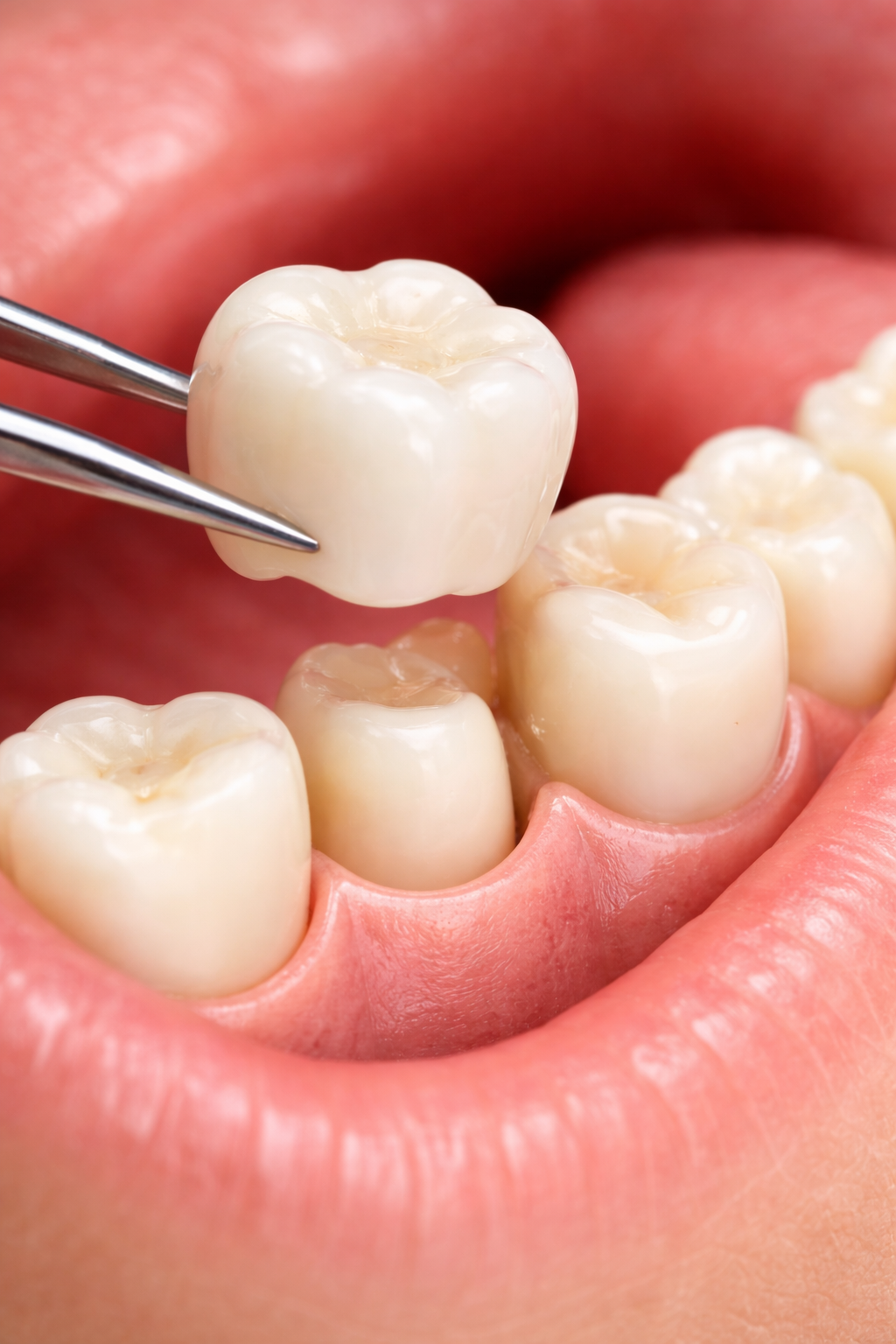
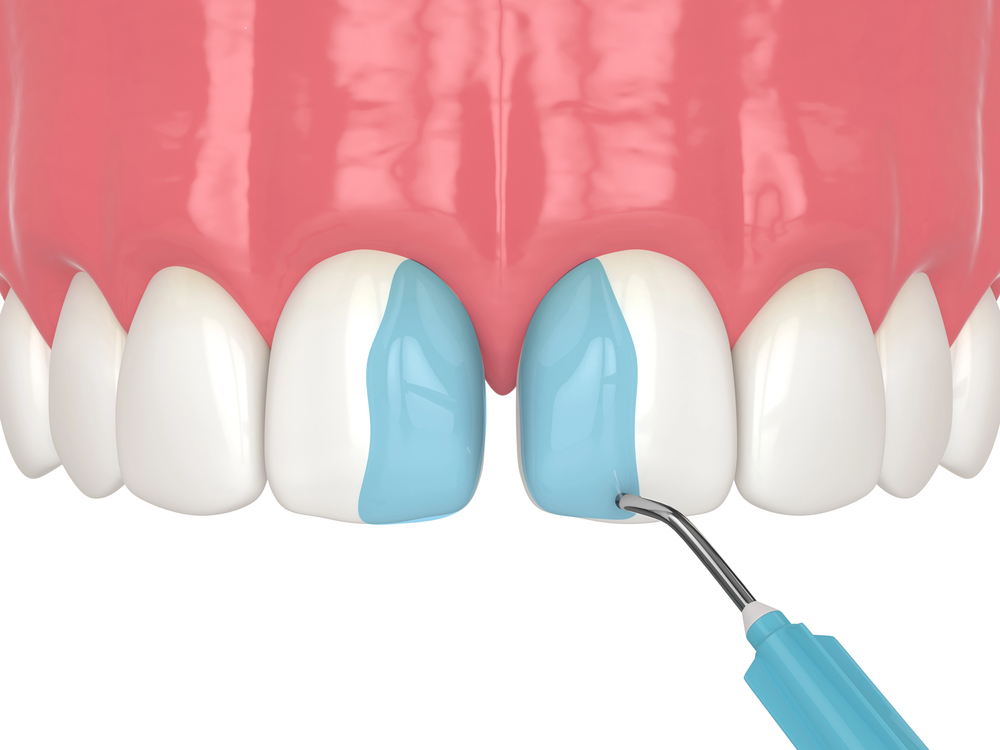
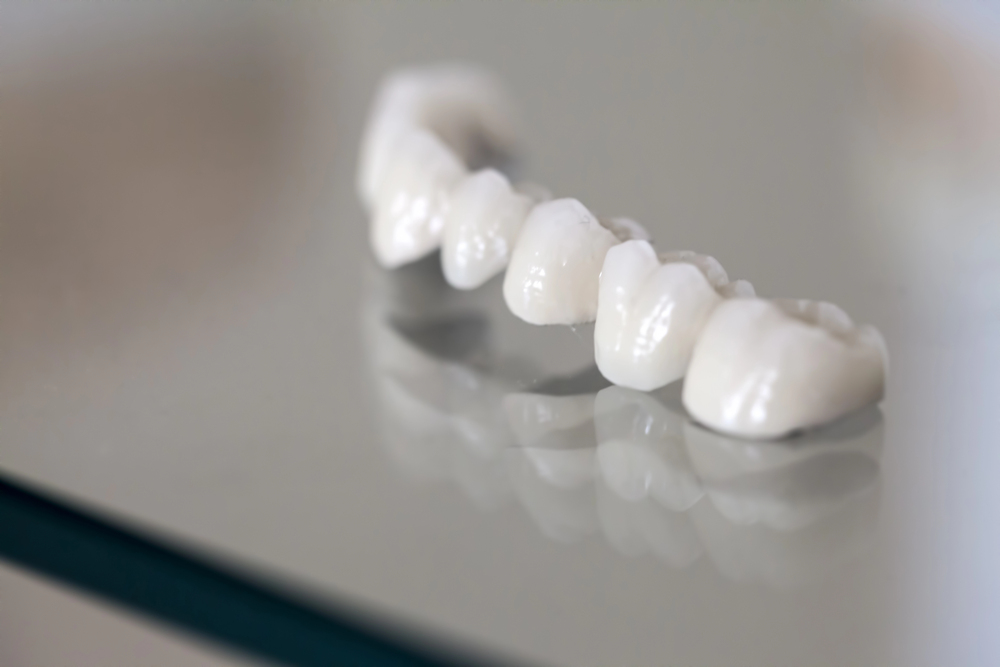
Dental veneers are thin, custom-made shells designed tocover the front surface of teeth. They are typically fabricated from porcelainor composite resin and bonded permanently to the natural tooth structure. Eachveneer is individually shaped, sized, and color-matched to blend seamlesslywith the surrounding teeth.
Porcelain veneers replicate the natural translucency andlight-reflecting properties of tooth enamel, which is why they produce anexceptionally natural-looking result. The material is also highly resistant tostaining from coffee, tea, and red wine, making it an excellent long-terminvestment for patients who want both beauty and durability.
Cosmetic Concerns That Veneers Address
Discoloration That Whitening Cannot Fix
Some types of tooth discoloration originate from within thetooth structure rather than on the surface. Staining caused by medicationstaken during childhood, excessive fluoride exposure, or trauma to a tooth oftendoes not respond to bleaching treatments. Veneers cover the entire visiblesurface and provide a uniform shade because the porcelain shell replaces thediscolored appearance entirely rather than attempting to lighten it chemically.
Chips, Cracks, and Uneven Wear
Teeth that have suffered minor chips, hairline cracks, oruneven wear patterns can be restored to a smooth, symmetrical appearance withveneers. The restoration covers the damaged area and reinforces the remainingtooth structure, which is why veneers serve both a cosmetic and a protectivefunction for teeth that show signs of wear but remain structurally sound.
Gaps and Minor Misalignment
Small gaps between teeth and mild alignment irregularitiescan be corrected with veneers in far less time than orthodontic treatment wouldrequire. The veneer is fabricated slightly wider than the natural tooth toclose the gap or angled to create the appearance of straighter alignment. Thatmatters because patients who want a more even smile without wearing braces oraligners for months can achieve their goal in as few as two appointments.
The Veneer Placement Process
Consultation and Planning
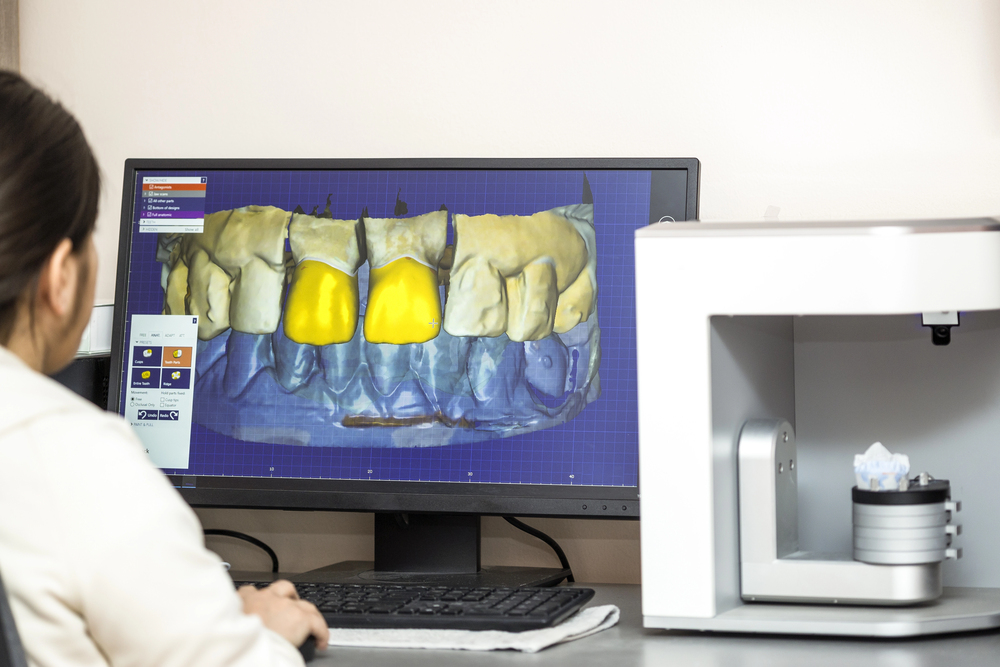
Dr. Kerri Smith, DMD evaluates the teeth, discusses thepatient's cosmetic goals, and determines whether veneers are the mostappropriate option. Digital imaging or mock-ups may be used to preview theexpected result before any tooth preparation begins, giving the patient a clearpicture of how the final smile will look.
Tooth Preparation and Impressions
A thin layer of enamel, typically about half a millimeter,is removed from the front surface of each tooth receiving a veneer. Thiscreates space for the veneer to sit flush with the surrounding teeth withoutadding bulk. Impressions or digital scans capture the exact dimensions and aresent to a dental laboratory where each veneer is individually crafted. Atemporary veneer protects the prepared teeth during the fabrication period.
Final Bonding
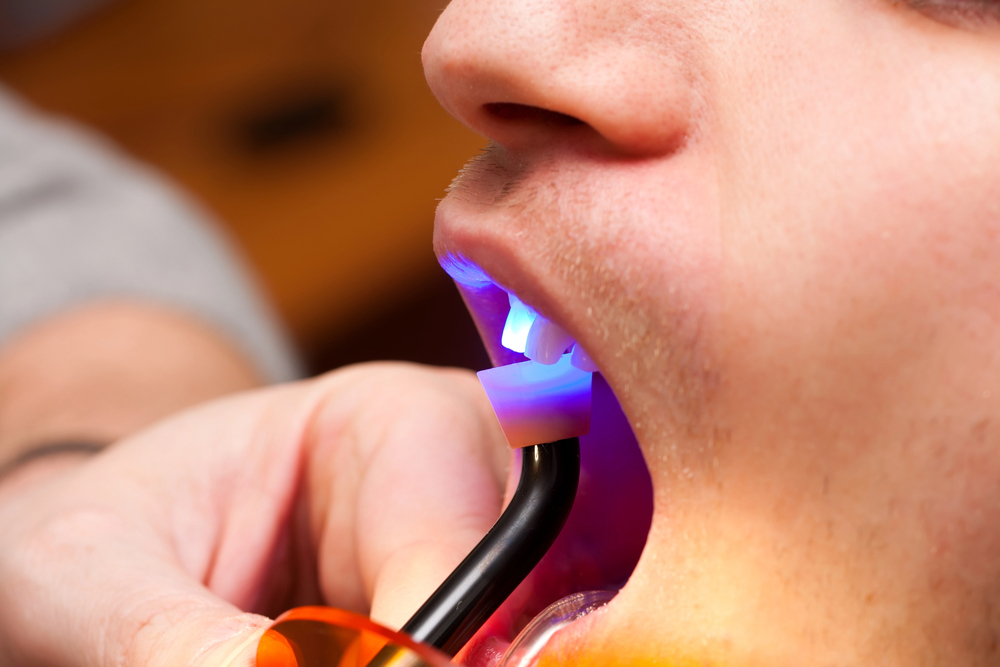
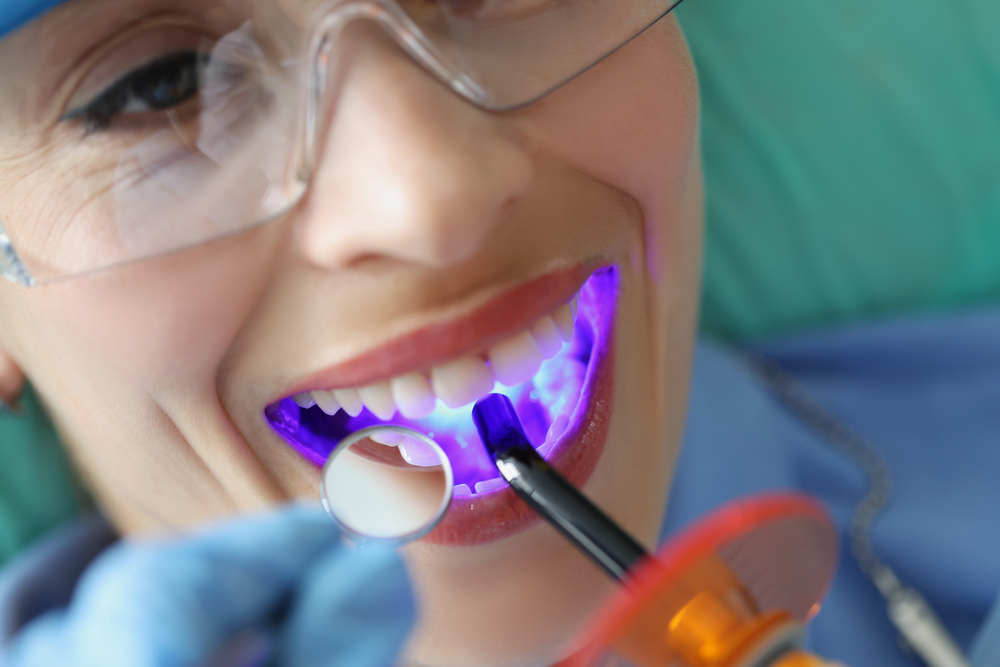
At the placement appointment, each veneer is checked forfit, color accuracy, and alignment before being permanently bonded to the toothwith dental cement. The dentist makes final adjustments to ensure the bitefeels natural and comfortable because even a slight discrepancy in alignmentcan cause discomfort or uneven wear over time.
How Long Dental Veneers Last
Porcelain veneers typically last 15 to 20 years with propercare, making them one of the most durable cosmetic dental options available.The longevity depends on daily oral hygiene habits, dietary choices, andwhether the patient avoids habits that place excessive stress on therestorations.
Composite resin veneers cost less initially but generallylast five to seven years before needing replacement. They are more susceptibleto staining and chipping than porcelain, which is why patients who prioritizedurability and stain resistance tend to choose porcelain despite the higherupfront cost. Understanding the trade-offs between the two materials helpspatients select the option that aligns best with their expectations and budget.
The investment in porcelain veneers also reflects the levelof customization involved. Each veneer is individually designed and handcraftedin a dental laboratory to match precise specifications for shape, shade, andtranslucency. That level of craftsmanship contributes to results that lookexceptionally natural and hold up well under years of everyday use, which iswhy many patients view porcelain veneers as a long-term investment in bothappearance and self-confidence rather than an expense.
Caring for Dental Veneers
Veneers do not require special cleaning products or tools.Brushing twice daily with a non-abrasive toothpaste, flossing daily, andattending regular dental cleanings keep both the veneersand the natural teeth beneath them in excellent condition.
Patients should avoid biting directly into very hard objectssuch as ice, hard candy, or pen caps because porcelain can chip underconcentrated point pressure. Using a nightguard is recommended for patients whogrind or clench their teeth during sleep, which is why the dental teamevaluates bite habits during the consultation and may suggest protectivemeasures to extend the life of the veneers. Avoiding habits such as nailbiting, chewing on pen caps, or using teeth to tear packaging also protects theveneers from damage that would otherwise shorten their lifespan.
Frequently Asked Questions About Dental Veneers
Do Veneers Look Natural?
Porcelain veneers are designed to mimic the translucency,texture, and color variations of natural tooth enamel. When placed by anexperienced dentist, they are virtually indistinguishable from natural teeth.The shade is custom-selected to match or enhance the patient's overall smile.
Is the Veneer Process Painful?
The tooth preparation is performed under local anesthesia,and most patients report minimal discomfort during and after the procedure.Mild sensitivity to hot or cold temperatures may occur for a few days afterplacement but typically resolves on its own.
Can Veneers Be Removed Later?
Because a thin layer of enamel is removed duringpreparation, the process is considered irreversible. However, veneers can bereplaced with new ones when they eventually reach the end of their lifespan,which is why the initial decision should be made with a clear understanding ofthe long-term commitment involved.
How Many Teeth Typically Receive Veneers?
The number varies based on the patient's goals. Somepatients place veneers on only two or four front teeth, while others choose toveneer the entire visible smile zone of six to ten teeth for a morecomprehensive transformation.
How Tualatin Valley Dental Can Help
Dr. Kerri Smith, DMD provides personalized veneerconsultations for patients throughout Tigard, evaluating each smile andrecommending the approach that best aligns with the patient's goals. Patientscan explore the full range of cosmetic and restorative services offered at the practiceor visit the Tualatin Valley Dental blog for additionaloral health resources. To schedule a veneer consultation, contact the office at(503) 620-6133.












.jpg)


.jpg)
.jpg)
.jpg)
.jpg)
.jpg)
.jpg)
.jpg)
.jpg)
.jpg)
.jpg)

